The execution class is the single most fundamental decision governing how a steel structure will be fabricated. Getting it wrong affects both the cost and the acceptance process directly.
EN 1090-2 divides structural steel fabrication into four execution classes: from EXC1 to EXC4, the required level of inspection, weld examination and traceability increases. As the class rises, so does the cost of fabrication, which makes choosing a class higher or lower than needed a risk in both directions.
How is the execution class determined?
The class is not set by a single criterion but by assessing three inputs together: the consequence class of the structure (the scale of the harm that would follow a collapse), the service category (whether the structure is subject to static loads or to dynamic loads causing fatigue) and the production category (the complexity of the welded fabrication and the strength grade of the material).
Taken together, these three inputs give the execution class. The decision rests with the engineer designing the project, not with the fabricator, and it has to be stated in the project documents.
In practice, which structure falls in which class?
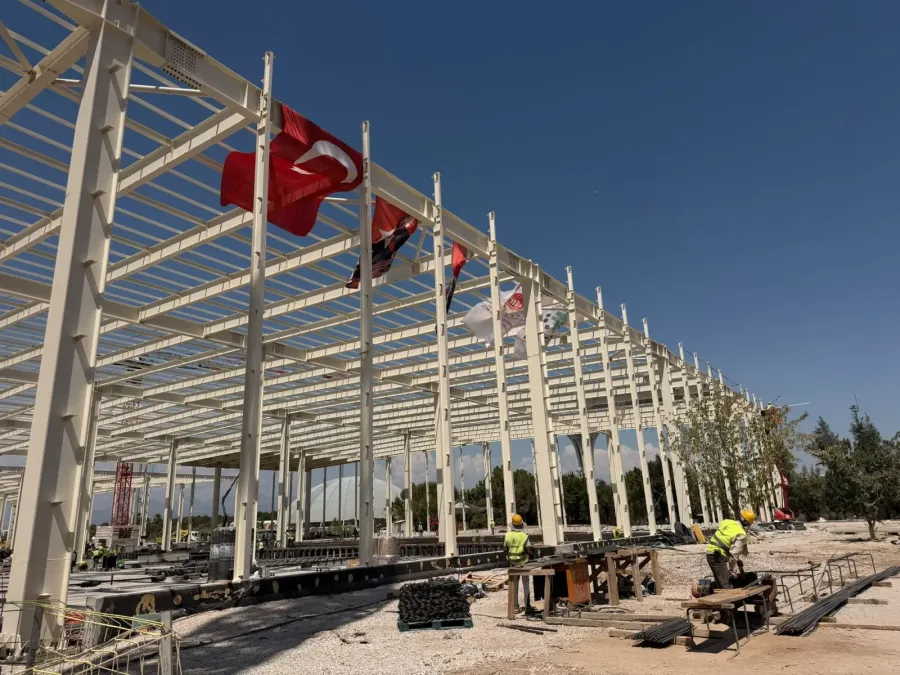
Most industrial buildings fall under EXC2: factory buildings, warehouses, hangars and typical roof structures are assessed in this class.
Structures carrying crane loads, rolling mill buildings, bridges and structures subject to fatigue are generally EXC3. EXC4 is reserved for special structures such as nuclear facilities, where a collapse would have very high consequences. EXC1 is used only for simple structures of low consequence class.
What changes when the class changes?
The execution class directly governs the welding procedure approval requirement, the extent of non-destructive testing, material traceability, dimensional tolerance limits and the scope of fabrication documentation.
For example, where a certain rate of examination on butt welds is sufficient in EXC2, that rate rises markedly in EXC3. This affects both time and cost.
The execution class therefore needs to be settled at the quotation stage. A change of class made later, once fabrication has started, has consequences that are expensive to put right.