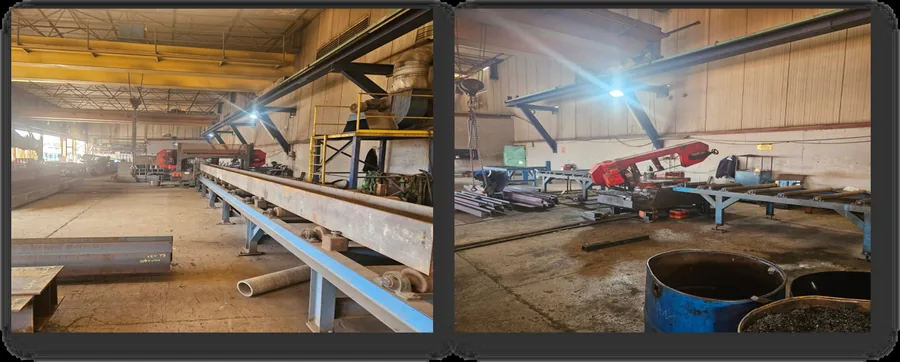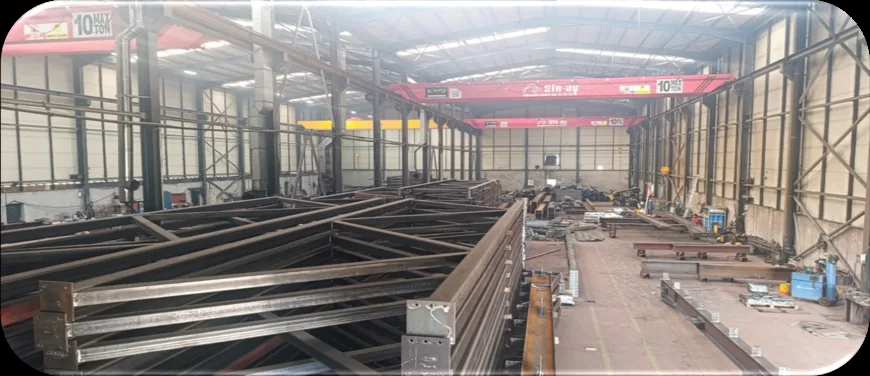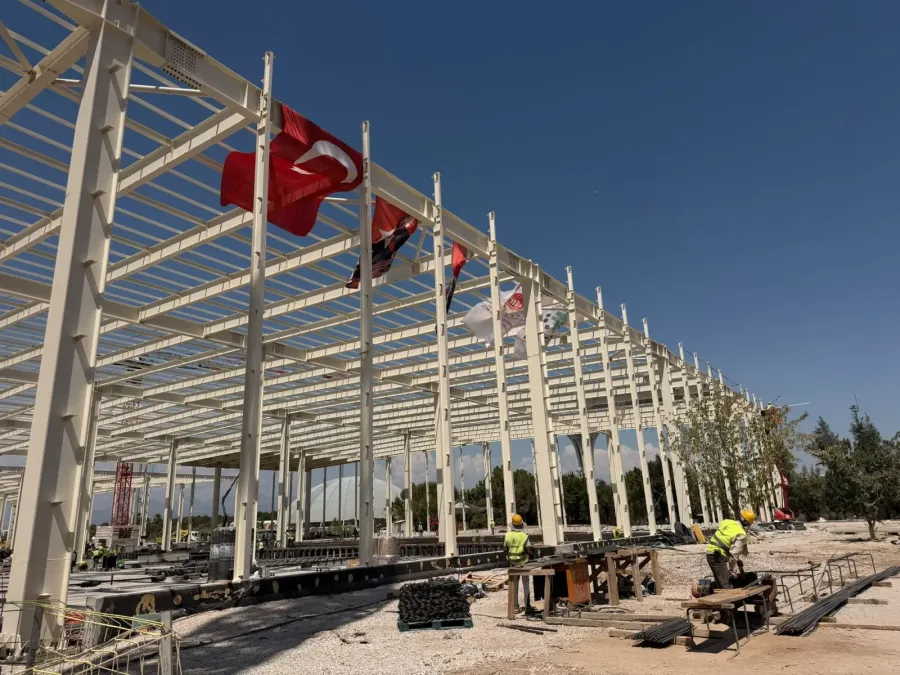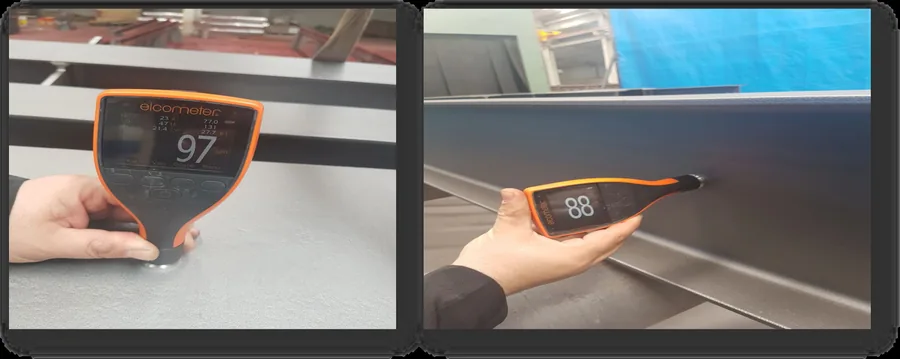
Corrosion protection in steel structures begins not with coating thickness but with reading the environment correctly. A wrongly chosen system turns into a maintenance cost within a few years.
What determines the service life of a steel structure is usually not the structural calculation but the corrosion protection. ISO 12944 is the international standard that ties that protection to the corrosivity of the environment.
Corrosivity category: from C1 to CX
The standard divides environments into categories from C1 to CX. C1 covers heated interiors, C2 rural atmospheres with low pollution, C3 urban and industrial atmospheres, C4 high salinity and chemical exposure, and C5 heavy industrial and coastal environments. CX is reserved for offshore and extreme conditions.
Once the category is established, the intended durability is selected. Different system thicknesses are specified for low, medium, high and very high durability.
Surface preparation matters more than the paint
The performance of a coating system depends on the surface it is applied to. ISO 8501-1 divides surface preparation into grades of cleanliness; in structural steel the most common requirement is Sa 2½ blast cleaning.
Mill scale, oil or moisture left on the surface will cause even the most expensive coating system to lift early. The time allowed between blasting and painting, ambient humidity and dew point control therefore have to be written into the application specification.
Paint or galvanising?
In enclosed industrial buildings a coating system is generally sufficient. Outdoors, in coastal areas or in plants with chemical exposure, hot-dip galvanising or paint over galvanising (a duplex system) is preferred.
The decision should be made on the intended maintenance interval, not on first cost. On steelwork that is hard to reach, maintenance cost quickly overtakes the difference in first cost.